

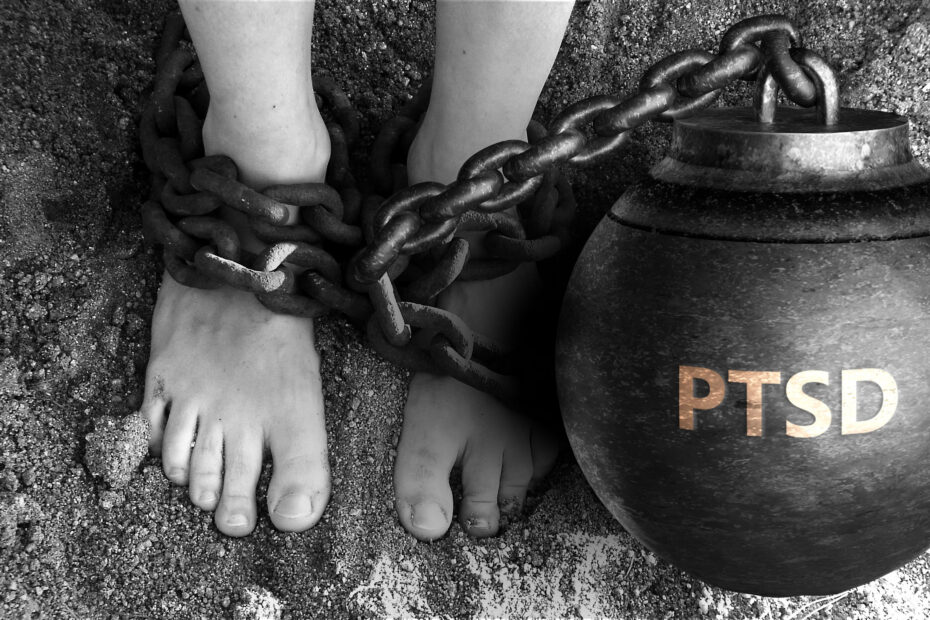
Many people hear the term Post-Traumatic Stress Disorder (PTSD) and immediately think of military veterans. While PTSD can certainly affect those who have served in the armed forces or who have experienced military combat, it is important to understand that PTSD can develop after many different types of traumatic experiences. People who have never been in the military can develop PTSD from the situations they have experienced.
At The Enhancement Center, we work with individuals throughout Albuquerque, Rio Rancho, and surrounding New Mexico communities who are coping with the lasting effects of trauma from a wide variety of life events.
Understanding PTSD and recognizing its symptoms can help individuals seek support through in-person counseling or telehealth sessions, EMDR or Cognitive Behavioral Therapy, in order to begin the healing process.
What Is PTSD?
PTSD is a mental health condition that can develop after experiencing or witnessing a traumatic event. Trauma occurs when a situation overwhelms a person’s ability to cope, creating feelings of fear, helplessness, or intense distress.
Not everyone who experiences trauma develops PTSD. However, for some individuals, the emotional and physical effects of trauma continue long after the event has ended.
PTSD can impact daily life, relationships, work performance, physical health, and overall well-being.
Research has shown that trauma affects both the brain and the nervous system. After a traumatic experience, the brain may remain in a heightened state of alertness, constantly scanning for danger even when a person is safe. This can make it difficult to relax, trust others, or feel comfortable in situations that once felt normal.
Trauma Comes in Many Forms
While combat-related trauma receives significant attention, many other experiences can lead to PTSD.
These may include:
- Physical abuse
- Emotional abuse
- Sexual assault
- Domestic violence
- Childhood neglect
- Serious car accidents
- Medical trauma
- Natural disasters
- House fires
- Violent crimes
- Witnessing injury or death
- Workplace accidents
- Sudden loss of a loved one
In New Mexico, individuals may also experience trauma related to wildfires, severe weather events, community violence, or other unexpected crises that leave lasting emotional effects.
Trauma is highly personal. Two people may experience the same event but respond differently based on factors such as age, previous experiences, support systems, and overall mental health. This is one reason why it is important not to compare trauma experiences or judge whether someone’s reaction seems “reasonable.” Every person’s healing journey is unique.
Common Symptoms of PTSD
PTSD symptoms vary from person to person, but they generally fall into four categories.
Intrusive Thoughts
People with PTSD may experience:
- Unwanted memories of the traumatic event
- Flashbacks
- Nightmares
- Emotional distress when reminded of the trauma
These symptoms can make it feel as though the event is happening all over again.
For some individuals, triggers can be obvious, such as returning to the location where the trauma occurred. For others, triggers may be less recognizable, including certain sounds, smells, songs, dates, or even weather conditions.
Avoidance Behaviors
Many individuals begin avoiding people, places, activities, or conversations that remind them of the trauma.
This avoidance can provide temporary relief but often makes recovery more difficult over time.
Someone who experienced a serious car accident may avoid driving altogether. A survivor of abuse may avoid relationships or social situations. While avoidance can feel protective, it often limits a person’s ability to fully participate in life.
Changes in Mood and Thinking
PTSD can affect how people view themselves and the world around them.
Common experiences include:
- Feelings of guilt or shame
- Difficulty experiencing positive emotions
- Negative self-beliefs
- Loss of interest in activities
- Emotional numbness
- Feeling disconnected from others
Many individuals begin to question their safety, trust in others, or sense of control. These changes can contribute to depression, anxiety, and social isolation.
Increased Reactivity
Individuals may become more alert to potential threats, even when they are safe.
Symptoms can include:
- Being easily startled
- Difficulty sleeping
- Irritability
- Anger outbursts
- Difficulty concentrating
- Hypervigilance
Living in a constant state of alertness can be exhausting. Over time, it can affect physical health, increase stress levels, and contribute to chronic fatigue.
PTSD in Children and Teens
Children and adolescents can also develop PTSD following traumatic experiences.
Unlike adults, younger individuals may express trauma through:
- Behavioral changes
- Increased anxiety
- Difficulty in school
- Regression in developmental skills
- Separation anxiety
- Aggressive behavior
- Physical complaints such as headaches or stomachaches
Parents may not immediately connect these behaviors to trauma, making professional support especially important.
Children often lack the language needed to explain what they are feeling. Instead, they may communicate distress through behavior, emotional outbursts, withdrawal, or difficulties with peers. Early intervention can help children process trauma before symptoms become more severe.
The Physical Effects of Trauma
Many people are surprised to learn that PTSD is not only an emotional condition. Trauma can also affect physical health.
Some individuals experience:
- Chronic headaches
- Digestive issues
- Muscle tension
- Fatigue
- Increased heart rate
- Sleep disturbances
When the body’s stress response remains activated for long periods, it can place significant strain on overall health. This is why addressing trauma is important not only for emotional wellness but also for physical well-being.
PTSD and Everyday Life
One of the biggest misconceptions about PTSD is that it only affects people immediately after a traumatic event.
In reality, symptoms may appear months or even years later. Some individuals successfully push difficult emotions aside until a life change, anniversary, or triggering event causes symptoms to surface.
PTSD can impact:
- Family relationships
- Friendships
- Workplace performance
- Academic success
- Physical health
- Sleep quality
- Self-esteem
Without treatment, symptoms can become increasingly disruptive over time.
Many people find themselves withdrawing from loved ones, struggling to maintain routines, or feeling overwhelmed by situations that once seemed manageable. Recognizing these changes is often the first step toward seeking help.
Effective Treatment Options for PTSD
The good news is that PTSD is treatable. Many individuals find significant relief through evidence-based therapies designed to help process traumatic experiences and reduce symptoms.
Treatment may include:
Individual Therapy
Working one-on-one with a licensed therapist can help individuals understand their trauma responses, develop coping strategies, and process difficult experiences in a safe environment.
EMDR Therapy
Eye Movement Desensitization and Reprocessing (EMDR) is a specialized therapy that helps individuals process traumatic memories in a way that reduces emotional distress.
Many people find EMDR particularly effective for trauma-related symptoms.
Cognitive Behavioral Therapy (CBT)
CBT helps individuals identify and challenge unhelpful thought patterns that may develop after trauma. This approach can improve emotional regulation and reduce anxiety.
RTM Therapy
Reconsolidation of Traumatic Memories is a structured approach, guided by our trained counselors, to reprocess traumatic events, reduce symptoms and regain a sense of control.
Family Support
Trauma often affects entire families. Family therapy can help improve communication, strengthen relationships, and create supportive environments for healing.
Building Healthy Coping Skills
Therapy can also help individuals develop healthy coping tools such as mindfulness, relaxation techniques, grounding exercises, and emotional regulation skills. These tools can help manage symptoms while supporting long-term recovery.
Seeking Help Is a Sign of Strength
Many individuals delay seeking help because they believe they should be able to “move on” from their experiences on their own.
The truth is that trauma changes how the brain and body respond to stress. PTSD is not a sign of weakness, and seeking professional support is one of the most important steps a person can take toward healing.
Whether trauma occurred recently or many years ago, recovery is possible.
Healing does not mean forgetting what happened. Instead, it means learning how to process the experience so it no longer controls your daily life. Many people who receive treatment discover renewed confidence, healthier relationships, and a greater sense of peace.
How The Enhancement Center Can Help
At The Enhancement Center, our experienced therapists provide compassionate, evidence-based care for individuals coping with PTSD and trauma-related concerns. We serve clients throughout Albuquerque, Rio Rancho, and surrounding New Mexico communities, helping people develop the tools they need to heal and move forward.
Our team understands that reaching out for support can feel overwhelming. We strive to create a welcoming environment where clients feel heard, respected, and empowered throughout the therapeutic process.
If you or someone you love is experiencing symptoms of PTSD, know that support is available. With the right treatment and guidance, it is possible to regain a sense of safety, confidence, and emotional well-being.
Frequently Asked Questions
Can PTSD develop years after a traumatic event?
Yes. Some individuals experience delayed-onset PTSD, where symptoms emerge months or even years after the trauma occurred.
Do you have to experience combat to have PTSD?
No. PTSD can result from many types of trauma, including abuse, accidents, medical events, natural disasters, and violence.
Can children develop PTSD?
Yes. Children and teens can experience PTSD and may show symptoms differently than adults, often through behavioral or emotional changes.
Is PTSD treatable?
Yes. Many people experience significant improvement through therapies such as EMDR, CBT, and other trauma-focused counseling approaches.
How do I know if I should seek help for PTSD?
If trauma-related symptoms are affecting your relationships, work, school, sleep, or daily life, speaking with a mental health professional can be beneficial.
How long does PTSD treatment take?
Treatment varies from person to person. Some individuals experience improvement within a few months, while others may benefit from longer-term therapy depending on their experiences and goals.
Can PTSD affect physical health?
Yes. PTSD can contribute to sleep problems, headaches, digestive issues, chronic stress, and other physical symptoms.