

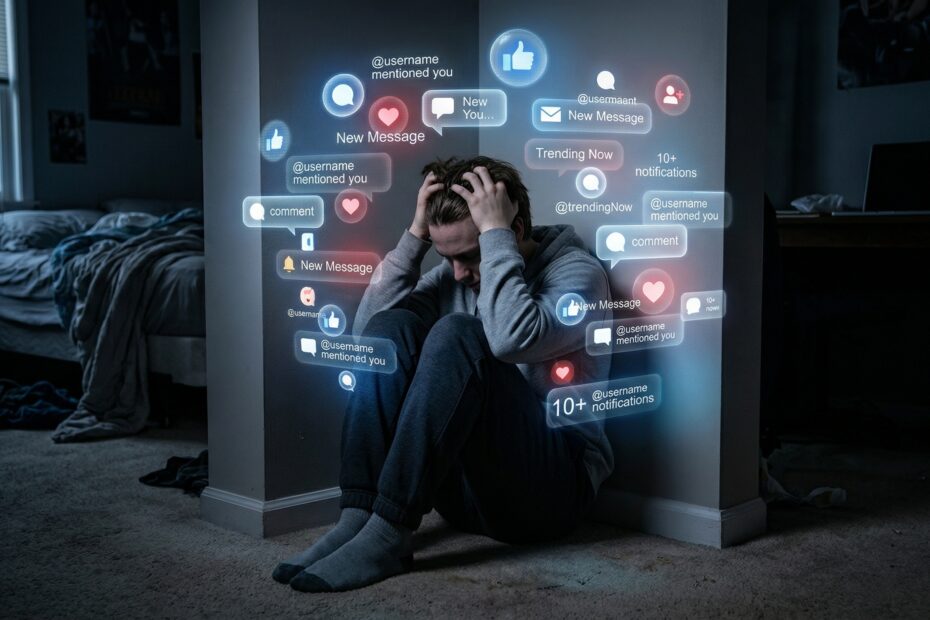
Social media has become part of everyday life. Whether you’re checking in with friends, following local businesses, or staying up to date on news in Albuquerque or Rio Rancho, platforms like Instagram, Facebook, and TikTok are always within reach.
But while social media helps people feel connected, it can also have a powerful impact on mental health—both positive and negative. Understanding how it affects your thoughts, emotions, and behaviors is the first step toward using it in a healthier way.
The Positive Effects of Social Media
Not all social media use is harmful. In fact, when used intentionally, it can support mental well-being.
Connection and Community
Social media allows people to stay connected with friends and family, especially across distances. For many, it can reduce feelings of isolation and help build a sense of belonging.
Access to Support and Resources
Mental health awareness has grown significantly online. Many people discover therapy resources, coping tools, and educational content through social platforms. Pages run by professionals—including organizations like Enhancement Center—can provide helpful guidance and normalize seeking support.
Self-Expression
Posting, sharing, and engaging can give people a space to express themselves creatively and emotionally, which can be therapeutic when done in a balanced way.
The Negative Effects of Social Media
Despite its benefits, social media can also contribute to mental health challenges—especially when use becomes excessive or unintentional.
Comparison and Low Self-Esteem
One of the most common impacts is comparison. Social media often shows curated, highlight-reel versions of people’s lives. Over time, this can lead to feelings of inadequacy, low self-worth, or the belief that others are happier or more successful.
Increased Anxiety and Depression
Constant exposure to news, opinions, and social pressure can increase anxiety. Doomscrolling, negative comment sections, and online conflict can all contribute to emotional overwhelm and stress.
Fear of Missing Out (FOMO)
Seeing others attend events, travel, or achieve milestones can create a sense of missing out. This can lead to dissatisfaction with your own life, even when nothing is actually lacking.
Sleep Disruption
Scrolling late at night—especially with bright screens—can interfere with sleep patterns. Poor sleep is directly connected to mood, focus, and overall mental health.
The Algorithm Effect: Why It Feels So Hard to Log Off
Social media platforms are designed to keep your attention. Algorithms track what you engage with and show you more of it—whether it’s positive or negative.
This can create a cycle where:
- You see more content that triggers emotional reactions
- You stay on the app longer
- Your mood is influenced without you realizing it
Over time, this can affect your mental health in subtle but significant ways.
Signs Social Media May Be Affecting Your Mental Health
It’s not always obvious when social media is having a negative impact. Here are a few signs to watch for:
- You feel anxious or stressed after scrolling
- You compare yourself to others frequently
- You have trouble focusing or feel mentally drained
- You check your phone compulsively
- Your mood depends on likes, comments, or engagement
- You feel worse about your life after being online
If any of these feel familiar, it may be time to reevaluate your habits. A counselor from the Enhancement Center can help with either telehealth or in-person meetings.
How to Use Social Media in a Healthier Way
You don’t have to quit social media entirely to protect your mental health. Small changes can make a big difference.
Set Time Boundaries
Limit how much time you spend on apps each day. Even reducing usage by 30–60 minutes can improve mood and focus.
Curate Your Feed
Unfollow or mute accounts that make you feel negative, and follow content that is uplifting, educational, or inspiring.
Take Breaks
Consider short “digital detox” periods—whether it’s a few hours, a full day, or a weekend.
Avoid Late-Night Scrolling
Try to put your phone away at least 30–60 minutes before bed to improve sleep quality.
Be Intentional
Ask yourself why you’re opening an app. Is it for connection, entertainment, or just habit? Being aware helps you stay in control.
When It Might Be Time to Seek Support
If social media is contributing to anxiety, depression, or self-esteem struggles, talking to a professional can help. Therapy provides a space to understand patterns, build healthier habits, and improve your relationship with technology.
Mental health providers like Enhancement Center work with individuals and couples across Albuquerque and Rio Rancho, as well as all of New Mexico, to address these challenges in a supportive, judgment-free environment.
Finding Balance in a Digital World
Social media isn’t inherently good or bad—it’s how we use it that matters. By becoming more aware of its impact and setting healthy boundaries, you can protect your mental health while still staying connected.
If you’ve been feeling overwhelmed, anxious, or “off” after spending time online, it may be worth taking a closer look at your habits—and making small changes that support your well-being. We’re here to help!