

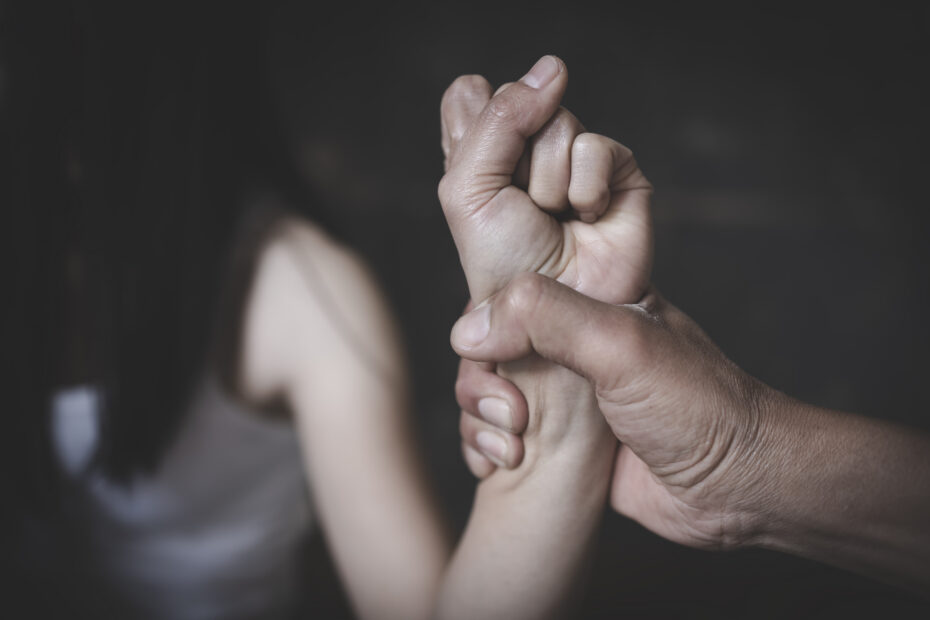
Domestic violence (DV) is a serious and often misunderstood issue that affects individuals, families, and entire communities across New Mexico. While awareness has grown over the years, many people still struggle to recognize the signs of domestic violence or feel unsure about how to seek help.
At the Enhancement Center, we believe that education, compassion, and access to counseling and mental health services are essential in helping survivors of domestic violence move toward safety, healing, self-empowerment and long-term stability. Whether you are experiencing DV yourself or supporting someone who is, understanding the realities of domestic violence and how counseling can help can make a powerful difference.
What Is Domestic Violence (DV)?
Domestic violence, commonly referred to as DV, is a pattern of behavior used by one person to establish power and control over another person in a relationship. This behavior is not limited to physical harm—domestic violence can be emotional, psychological, financial, sexual, spiritual or digital.
One of the most dangerous misconceptions about domestic violence is that it only involves physical abuse. In reality, many forms of DV leave no visible marks but can be just as damaging, if not more so, over time.
Domestic violence can occur in:
- Married relationships
- Same sex relationships
- Dating relationships
- Teen dating relationships
- Family or household relationships
- Former partnerships
- Co-parenting situations
DV affects individuals of all ages, genders, socioeconomic backgrounds, and cultures. No one is immune, and no one deserves to experience abuse.
Types of Domestic Violence
Understanding the different forms of domestic violence is key to recognizing it.
Physical Abuse
This includes hitting, slapping, choking, strangling, pushing, restraining, destroying property or using weapons. Physical abuse is often what people associate most with DV, but it is only one piece of the larger picture.
Emotional Abuse
Emotional domestic violence involves constant criticism, humiliation, name-calling, and manipulation. Over time, this form of DV can severely damage a person’s self-esteem and sense of identity.
Psychological Abuse
This includes gaslighting, intimidation, threats, and controlling behaviors. Victims of psychological DV may begin to question their own reality or feel trapped in confusion and fear.
Financial Abuse
Financial control is a powerful tool in domestic violence situations. This may involve restricting access to money, preventing employment, or controlling spending to create dependence.
Sexual Abuse
Sexual domestic violence includes any unwanted or forced sexual activity. Consent is a critical component, and coercion or pressure also falls under this category.
Digital Abuse
With the rise of technology, DV has expanded into digital spaces. Monitoring phones, tracking locations, controlling passwords, or harassment through social media are all forms of domestic violence.
Spiritual Abuse
Using religion and spirituality to control the other person..
The Cycle of Domestic Violence
Domestic violence often follows a repeating cycle that can make it difficult to leave.
Stage 1: Tension Building
The relationship becomes strained. The victim may feel anxious and attempt to avoid conflict.
Stage 2: Explosion/Violent Incident
An abusive event occurs. This could be physical violence, sexual abuse, emotional outbursts, or controlling behavior.
Stage 3: Reconciliation/Honeymoon
The abuser may apologize, promise change, or show affection. This is sometimes referred to as the “honeymoon phase.”
Stage 4: Calm
The situation temporarily stabilizes before tension begins to build again.
This cycle of domestic violence can repeat many times, often increasing in severity. Understanding this pattern helps explain why DV is so complex and why leaving is not always immediate.
Warning Signs of Domestic Violence
Recognizing domestic violence early can help prevent escalation.
Common Signs of DV:
- Feeling afraid of your partner
- Being isolated from friends or family
- Being constantly monitored or controlled
- Experiencing verbal abuse or humiliation
- Having restricted access to money
- Feeling like you must “walk on eggshells”
- Being threatened or intimidated
- Losing confidence or independence
- Being told you’re a bad parent
- Threatening to take the children away or using the children against the victim
If you recognize these signs, it may indicate domestic violence, even if physical abuse is not present.
The Mental Health Impact of Domestic Violence
Domestic violence deeply affects mental health. Survivors of DV often experience long-term emotional and psychological challenges.
Common Mental Health Effects:
- Anxiety and panic attacks
- Depression
- PTSD (post-traumatic stress disorder) including flashbacks, intrusive thoughts
- Low self-esteem
- Emotional numbness
- Difficulty trusting others
These effects can persist long after the domestic violence has ended, which is why professional mental health support is so important.
Physical Health Effects of DV
Domestic violence can also impact physical health, even beyond visible injuries.
Physical Effects May Include:
- Chronic pain
- Headaches or migraines
- Gastrointestinal issues
- Sleep disturbances
- Fatigue
- Increased risk of long-term health conditions
- Head trauma
Stress from DV can weaken the immune system and contribute to ongoing health problems.
Domestic Violence and Children
Children exposed to domestic violence are affected in profound ways, even if they are not directly abused.
Effects of DV on Children:
- Emotional distress and anxiety
- Behavioral problems
- Difficulty in school
- Trouble forming relationships
- Bing more withdrawn
- Increased risk of experiencing DV later in life
Providing support for children in domestic violence situations is critical for breaking the cycle of abuse.
Why Leaving DV Is Difficult
A common misconception is that survivors of domestic violence can “just leave.” In reality, leaving DV is often the most dangerous time.
Barriers to Leaving Domestic Violence:
- Fear of retaliation
- Financial dependence
- Lack of housing or transportation
- Concern for children
- Emotional attachment
- Isolation
- Cultural or societal pressures
- Falsely blaming yourself
Understanding these barriers helps reduce stigma and supports survivors more effectively.
Safety Planning in Domestic Violence Situations
Safety planning is an essential step for anyone experiencing DV.
Key Elements of a Safety Plan:
- Identify safe places to go and places in the home to avoid
- Keep emergency contacts accessible
- Prepare important documents
- Plan escape routes
- Establish communication signals with trusted individuals-code words
Safety plans should be personalized and can be developed with a mental health professional.
The Role of Therapy in DV Recovery
Therapy is a crucial part of healing from domestic violence. It provides a safe, confidential space to process experiences and rebuild.
How Therapy Helps:
- Addresses trauma from DV
- Builds coping strategies
- Restores confidence
- Helps establish healthy boundaries
- Supports emotional regulation
- Provides additional resources in the community
At the Enhancement Center, therapy is tailored to each individual’s experience with domestic violence.
Trauma-Informed Care for Domestic Violence
Trauma-informed care is essential when working with DV survivors. This approach recognizes the impact of trauma and prioritizes safety, trust, and empowerment.
Principles of Trauma-Informed Care:
- Safety
- Transparency
- Empowerment
- Collaboration
- Cultural sensitivity
This approach ensures that survivors of domestic violence feel respected and supported throughout their healing journey.
Rebuilding Life After Domestic Violence
Recovery from DV is a process. It involves rebuilding not only safety, but identity, confidence, and independence.
Steps Toward Recovery:
- Establishing a safe environment
- Reconnecting with support systems
- Building healthy routines
- Exploring personal goals
- Continuing therapy
Healing from domestic violence takes time, but it is absolutely possible.
Healthy Relationships After Domestic Violence
After experiencing DV, it can be challenging to recognize what a healthy relationship looks like.
Characteristics of Healthy Relationships:
- Mutual respect
- Honest communication
- Emotional safety
- Independence
- Equality
Learning these patterns helps prevent future domestic violence and supports long-term well-being.
Domestic Violence in New Mexico
Domestic violence impacts communities across Albuquerque, Rio Rancho, Santa Fe, and rural areas throughout New Mexico.
Unique Challenges in New Mexico:
- Limited access to services in rural areas
- Transportation barriers
- Cultural stigma
- Language barriers
- Limited shelter availability
Local mental health providers like the Enhancement Center play a critical role in addressing these challenges.
Understanding Emotional Trauma After Domestic Violence
One of the most overlooked aspects of domestic violence (DV) is the lasting emotional trauma it leaves behind. Even after a person is no longer in a domestic violence situation, the psychological effects can continue to impact daily life.
Survivors of domestic violence often experience intrusive thoughts, flashbacks, or heightened emotional responses to certain triggers. These triggers can be anything from a tone of voice to a specific environment that reminds them of past abuse. This is a normal response to trauma, but it can feel overwhelming without the right support.
Healing from domestic violence trauma requires time, patience, and professional counseling. Therapy can help individuals understand their reactions, reduce triggers, and regain a sense of control. At the Enhancement Center, trauma-informed therapy focuses on helping survivors of DV feel safe in their own minds and bodies again.
The Importance of Setting Boundaries After DV
After experiencing domestic violence, many individuals struggle with setting and maintaining boundaries. This is often because their boundaries were repeatedly ignored or violated during the abusive relationship.
Learning to set boundaries is a critical part of recovery from DV. Boundaries help protect emotional well-being, establish healthy relationships, and rebuild a sense of personal power.
Examples of Healthy Boundaries:
- Saying no without guilt
- Limiting contact with harmful individuals
- Protecting personal time and energy
- Communicating needs clearly and respectfully
For survivors of domestic violence, setting boundaries can feel uncomfortable at first. However, with practice and support, it becomes an empowering step toward independence and healing.
The Role of Self-Esteem in Domestic Violence Recovery
Domestic violence often erodes a person’s self-esteem over time. Constant criticism, manipulation, and control can make individuals feel unworthy, powerless, or incapable of making decisions.
Rebuilding self-esteem is a key part of recovering from DV. This process involves reconnecting with personal strengths, values, and identity outside of the abusive relationship.
Ways to Rebuild Self-Esteem After DV:
- Engaging in therapy or counseling
- Practicing self-compassion
- Setting small, achievable goals
- Surrounding yourself with supportive people
- Celebrating progress, no matter how small
At the Enhancement Center, we help individuals recovering from domestic violence rediscover their confidence and rebuild a strong sense of self.
Recognizing Red Flags in Future Relationships
After experiencing domestic violence, it is important to recognize early warning signs in future relationships. Awareness can help prevent falling into another DV situation.
Common Red Flags:
- Excessive jealousy or possessiveness
- Moving too quickly in the relationship
- Isolating you from friends or family
- Controlling behavior disguised as “care”
- Disrespecting boundaries
- Blaming others for their actions
- Flatters you excessively especially in the beginning of the relationship
- Wants to know where you are at all times
- Looks through your phone and social media
- Takes your money
- Has a history of abusing other people
- May have witnessed domestic violence or been abused as a child
Recognizing these signs early can help individuals make informed decisions and protect themselves from future domestic violence.
The Importance of Support Systems
Recovering from domestic violence is not something anyone should have to do alone. Support systems play a vital role in healing from DV.
Types of Support Systems:
- Friends and family
- Mental health professionals
- Support groups
- Community organizations
Having even one trusted person to talk to can make a significant difference. Support systems provide validation, encouragement, and a sense of connection during recovery.
Domestic Violence and Workplace Impact
Domestic violence doesn’t stay at home—it often impacts a person’s ability to function at work. Survivors of DV may experience difficulty concentrating, increased absenteeism, or anxiety in professional settings.
Employers and coworkers may not always recognize these signs as related to domestic violence. Creating awareness around DV in the workplace can help foster a more supportive environment.
For individuals experiencing domestic violence, seeking mental health support can help improve focus, confidence, and overall well-being, both personally and professionally.
Taking the First Step Toward Help
One of the hardest parts of addressing domestic violence is taking the first step. Whether that step is recognizing the situation, talking to someone, or seeking professional help, it requires courage.
You do not have to have everything figured out to reach out. You do not need to be in immediate crisis to seek support. If something feels wrong, that is enough reason to talk to someone.
At the Enhancement Center, we provide a safe, confidential space for individuals experiencing domestic violence or DV to explore their options and begin the healing process.
How to Help Someone Experiencing DV
Supporting someone in a domestic violence situation requires patience and understanding.
Ways to Help:
- Listen without judgment
- Believe their experience
- Offer support without pressure
- Help connect them to resources
- Respect their decisions
Your support can make a meaningful difference.
Breaking the Stigma Around Domestic Violence
Many people experiencing DV feel shame or fear judgment. Breaking the stigma around domestic violence is essential.
Talking openly with a trained counselor about DV, promoting awareness, and encouraging support can help more people seek help.
When to Seek Help
You do not need to wait for a crisis to seek help for domestic violence.
Consider Reaching Out If:
- You feel unsafe
- You feel controlled or manipulated
- You are unsure if what you’re experiencing is DV
- You need someone to talk to
Early support can prevent escalation and provide clarity.
Moving Forward After Domestic Violence
Life after domestic violence is not defined by what happened—it is defined by what comes next. Recovery is about rediscovering strength, building resilience, reclaiming self and creating a future that feels safe and fulfilling.
Every step forward, no matter how small, is meaningful. Whether it’s setting a boundary, attending a therapy session, or simply acknowledging your experience, progress matters.
Domestic violence does not define you. With the right support, healing is possible, and a healthier, more stable future is within reach.
You Are Not Alone
Domestic violence can feel isolating, but help is available. Support, healing, and a safer future are possible.
Schedule a Confidential Appointment
The Enhancement Center provides compassionate, confidential counseling for individuals affected by domestic violence and DV throughout Albuquerque, Rio Rancho, Santa Fe, and across New Mexico.
If you or someone you know is experiencing domestic violence, reach out today. Our team is here to support you every step of the way.